Golf course aficionados are living through a fortunate era in golf history. Exciting new courses are being built, while renovations and restorations are happening at an incredible pace. It seems like every course is undergoing some sort of operation. Mountain Lake, a Golden Age Seth Raynor gem in Florida, is one of those renovation stories. Fortunately for golf fans, some projects are more exciting than others.
Frederick Law Olmsted and Seth Raynor designed the original course, which opened its first nine holes in 1917 and its second nine in 1921. Charles Banks made several modifications in the late 1920s, followed by periodic updates over the ensuing decades. In the early 2000s, Brian Silva made significant strides toward restoring Raynor's original design. Now, 2026 marks a monumental year in the club's history, as Tyler Rae undertakes a comprehensive restoration of Raynor's work.
Rae's 2026 restoration may bring Mountain Lake closer to its 1917 origins than it has been in a century. While time travel remains the stuff of movies, arriving on the property might make you feel as though you've stepped back in time. Armed with an unprecedented collection of historical photographs and documentation, Rae has recaptured a golf course that feels authentic, faithful to its roots, and remarkably true to Raynor's original vision.
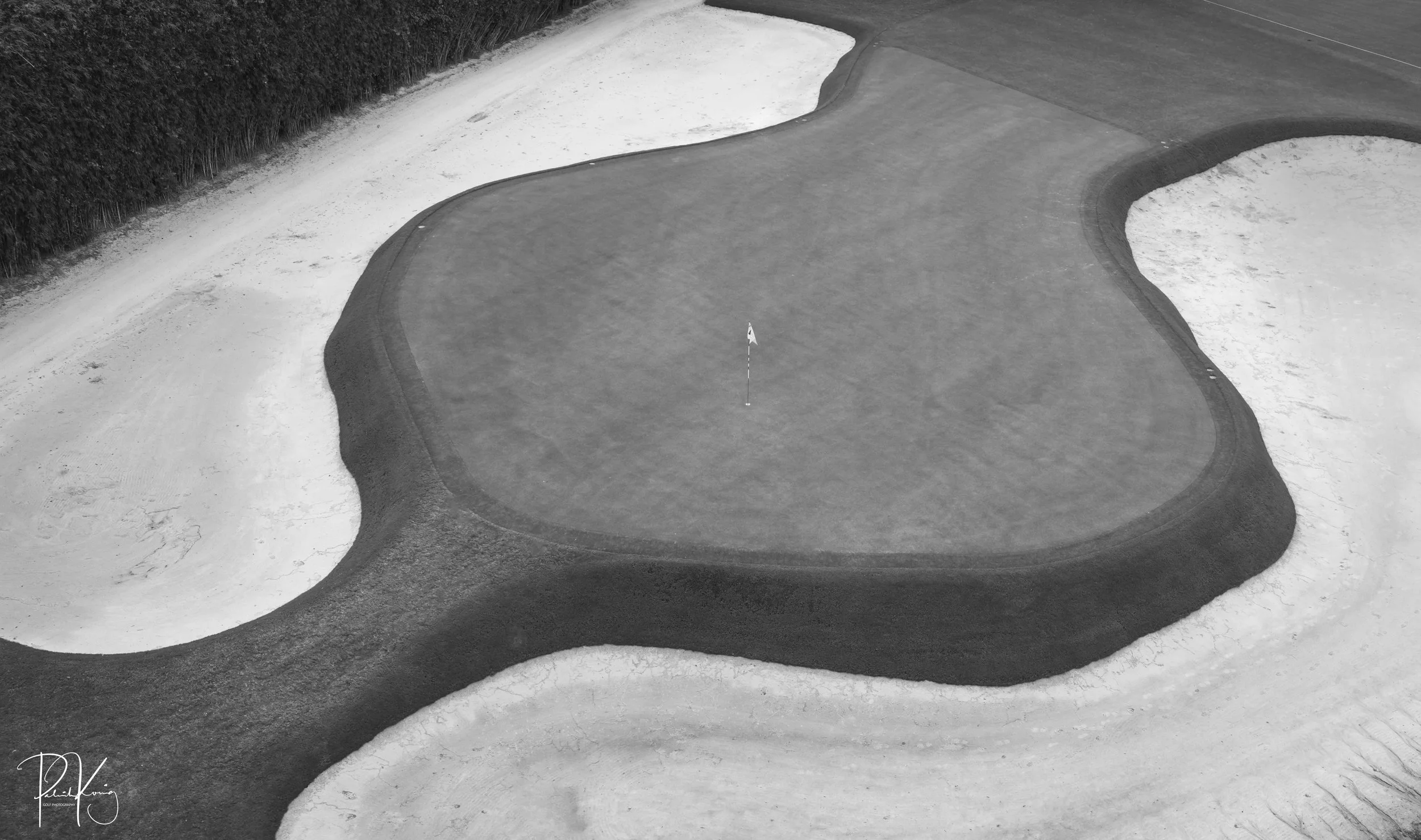
Since its opening, Mountain Lake has been widely regarded as one of the finest golf courses in Florida. Seth Raynor brought his usual collection of template holes to the sandy Florida soil, creating a distinctive architectural experience. With names like Brian Silva, Gil Hanse, and Tyler Rae attached to the property over the years, Mountain Lake has been in some pretty good hands. However, Rae's 2026 project has taken things to another level. Like many of his other projects, the work is thorough, meticulous, and detail-oriented. The finished product reflects countless hours spent studying historical photographs and documentation, understanding Raynor's original intentions, and figuring out how to bring that vision to life on a golf course in 2026.
During my visit, I had the opportunity to go around the course twice and play 36 holes. It gave me a great feel for Rae's work, and I did my best to soak Seth Raynor into my bones. I was also fortunate to meet several members of the staff and membership who make Mountain Lake such a unique place. Mountain Lake has the pedigree, but it also has the vibes. Here are my standout holes presented in 1920’s black and white from a day at Mountain Lake. All original photography is courtesy of the club.
11th Hole - Redan - Par 3 - 186 yards
As the most imitated design in golf, It is incredibly difficult to create a redan that stands out from the crowd. More often than not, I am compelled to utter the phrase “This redan isn’t redanning." However, there is something special on this corner piece of property at Mountain Lake. Unlike traditional flat or uphill Redans, the 11th plays sharply downhill. Rae enlarged the green, rebuilt the fear inducing front bunker, and recreated the cross bunker short of the approach. Now, a low running shot that just clears that cross bunker can catch the front of the green and chase all the way to a back left pin. The curves are dramatic and the bunkers present a formidable challenge for the golfer looking to save par.
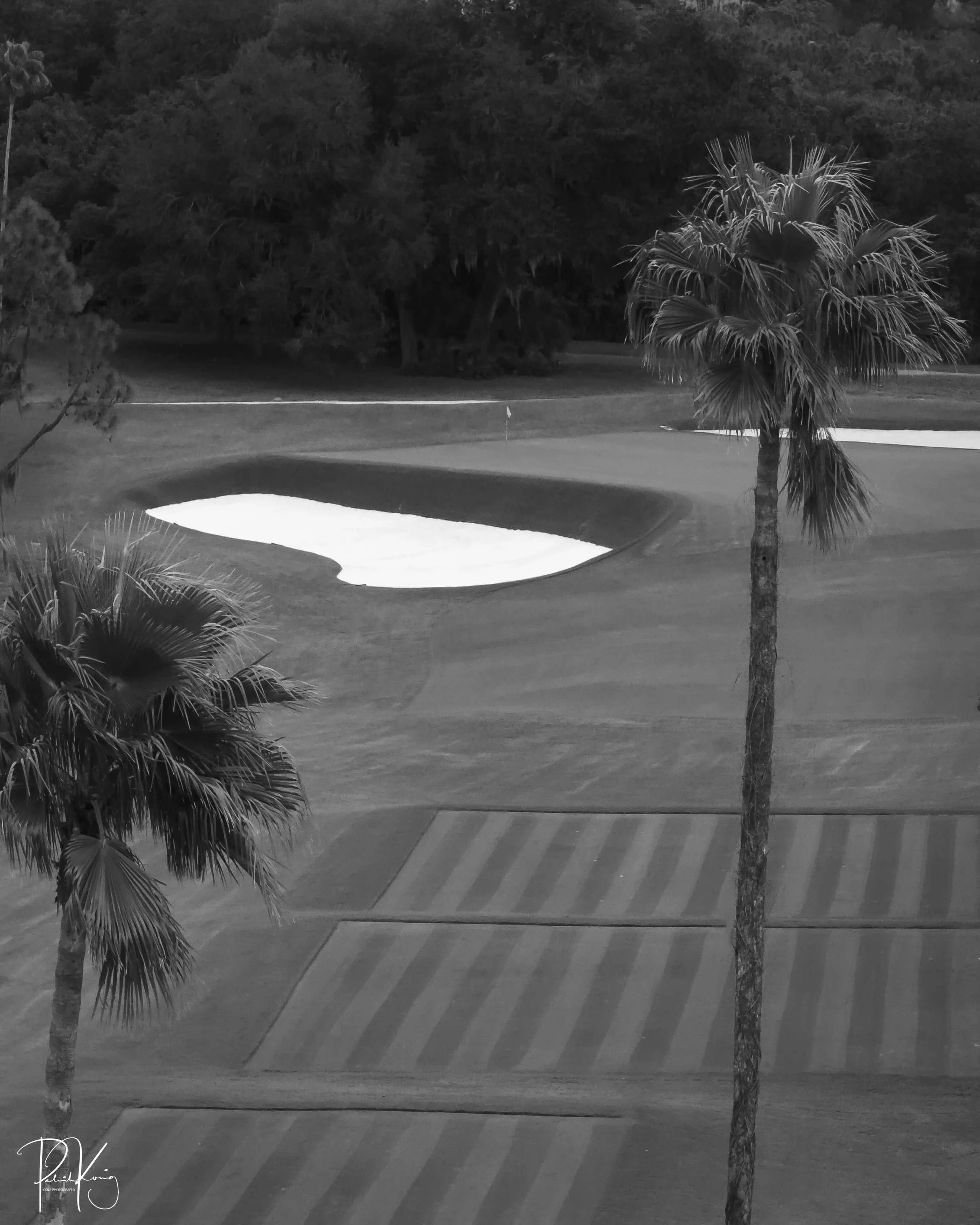
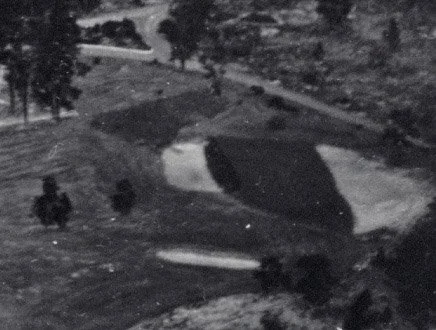
“This Redan can redan.”
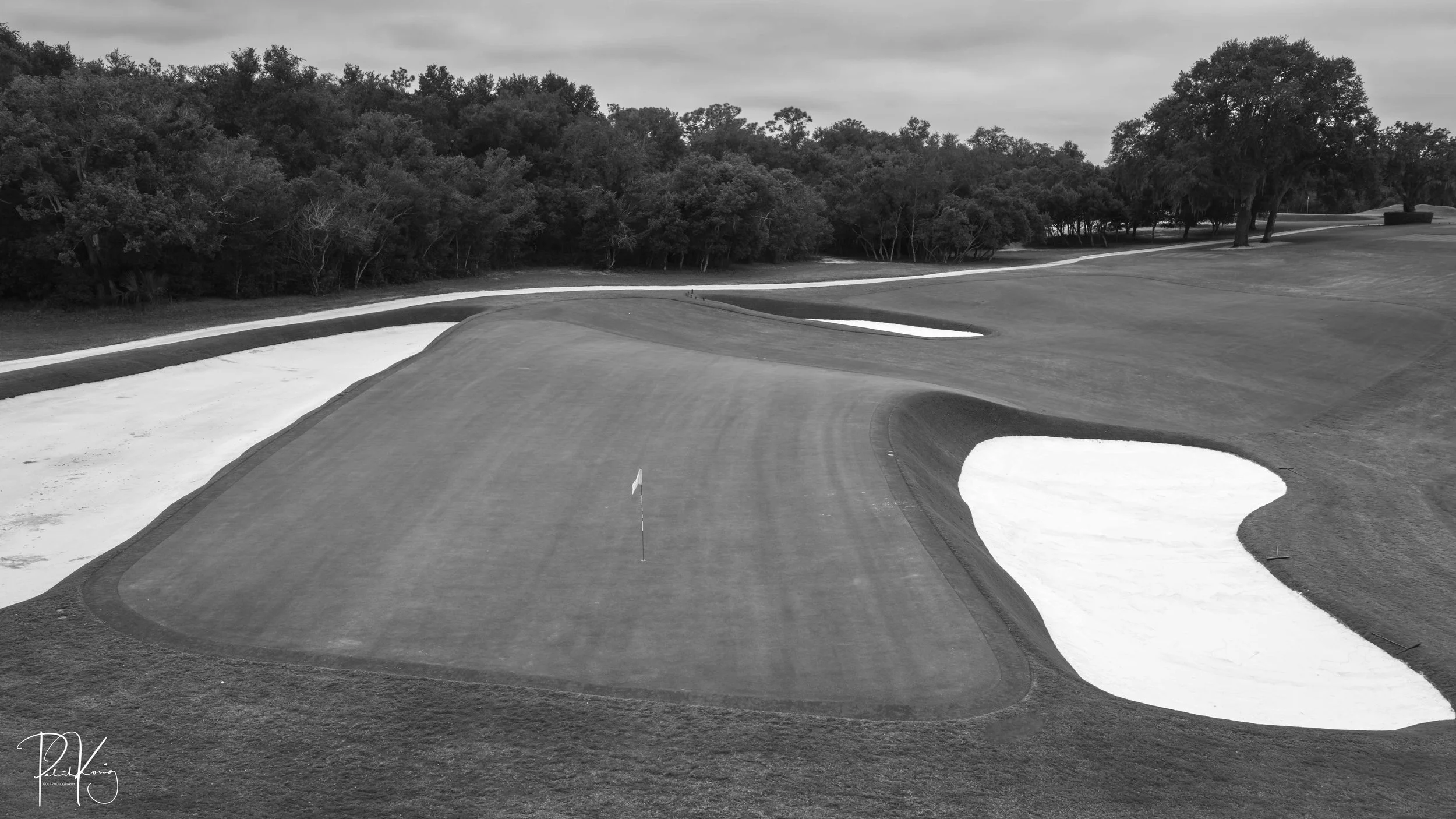
8th Hole - Banks - Par 5 - 596 yards
America's first island tee box was created at Mountain Lake, marking the beginning of the long par-5 Banks hole. The teeing ground has grown in size and the attire has changed considerably over the years, but more than a century later, golfers are still hitting balls from this tiny island. Some things never go out of style.
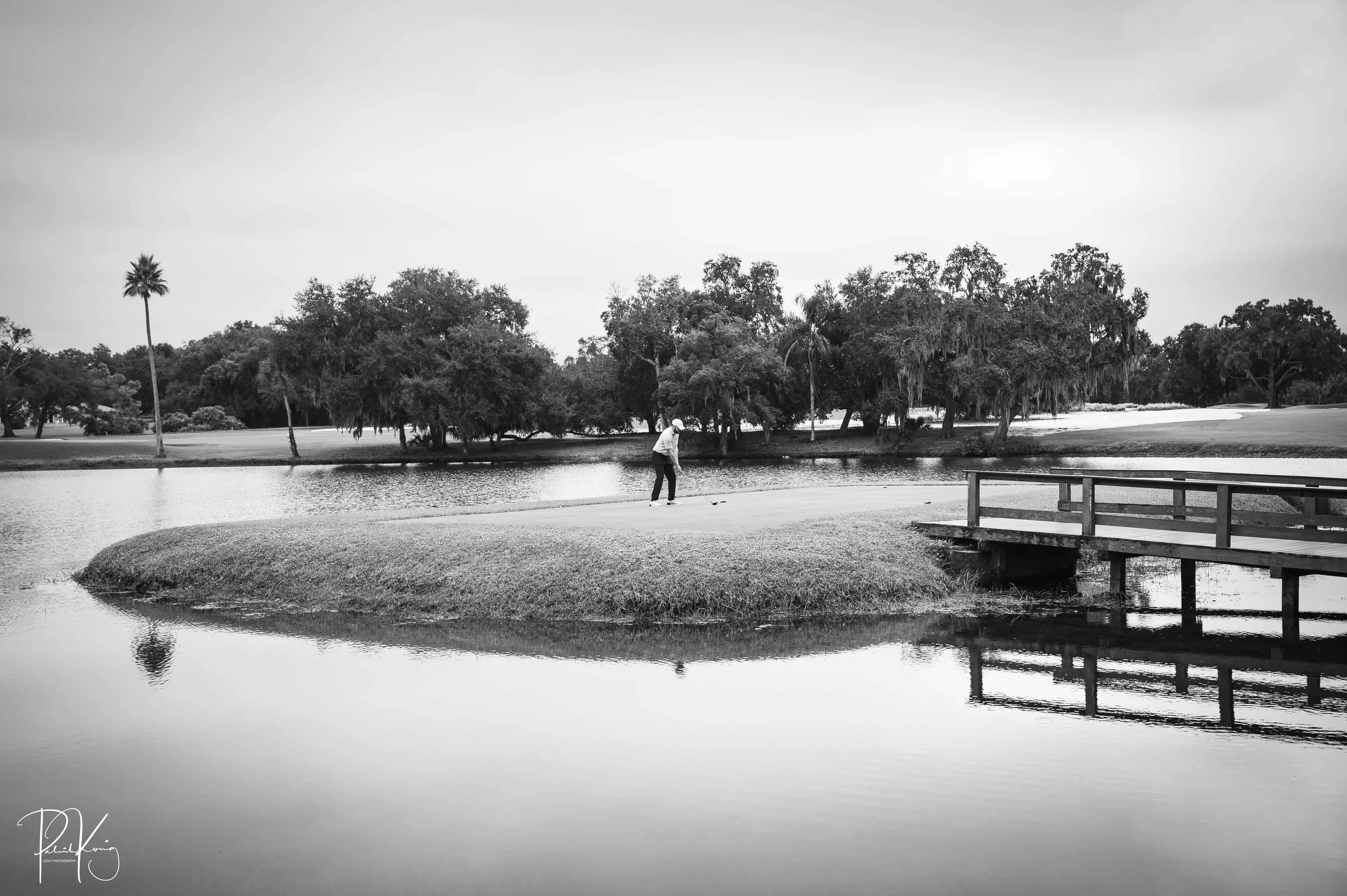
2026
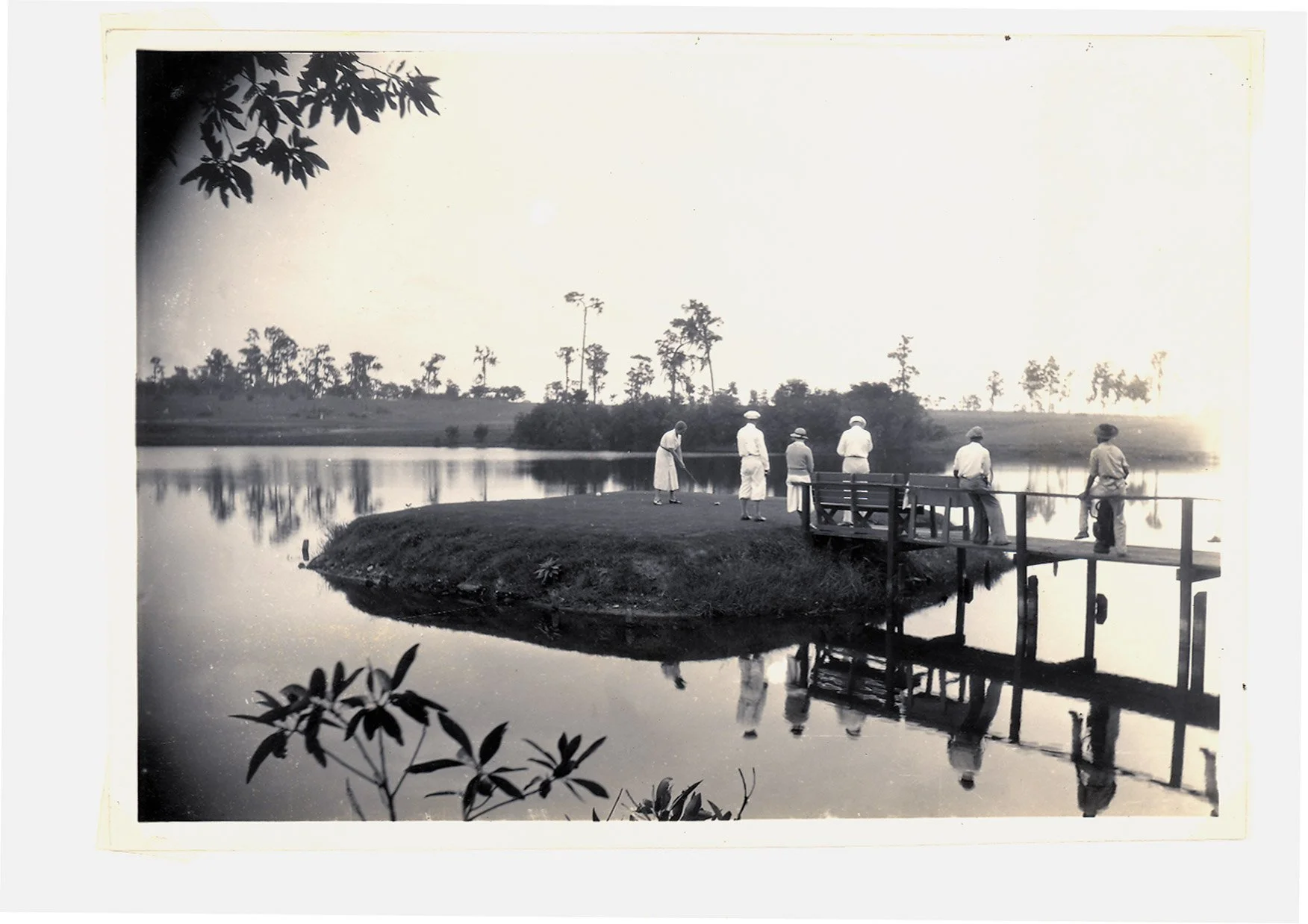
1920’s
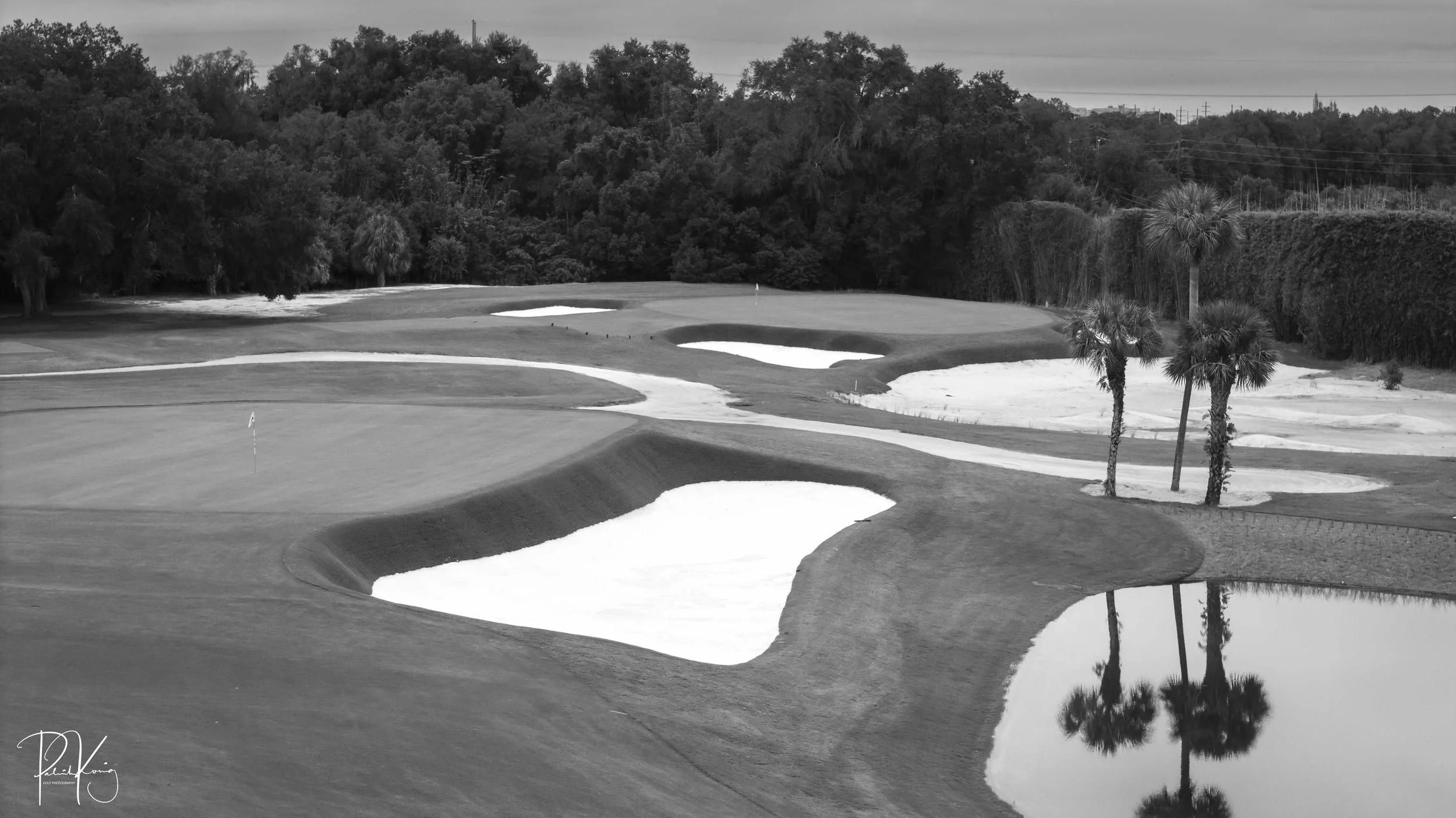
3rd Hole - Punchbowl - par 4 - 445 yards
As is often the case with the Punchbowl template, the green steals the show on the 3rd hole. Mountain Lake takes things up a notch, delivering a punch bowl within a punch bowl. A recessed area in the back-left portion of the green creates a rare double-punchbowl scenario. Meanwhile, a large hump on the front-left side makes recovery shots from around the green an absolute joy to play. It's one of the most unique punch bowl greens Raynor ever created, and Rae has done an outstanding job of bringing it back to life.
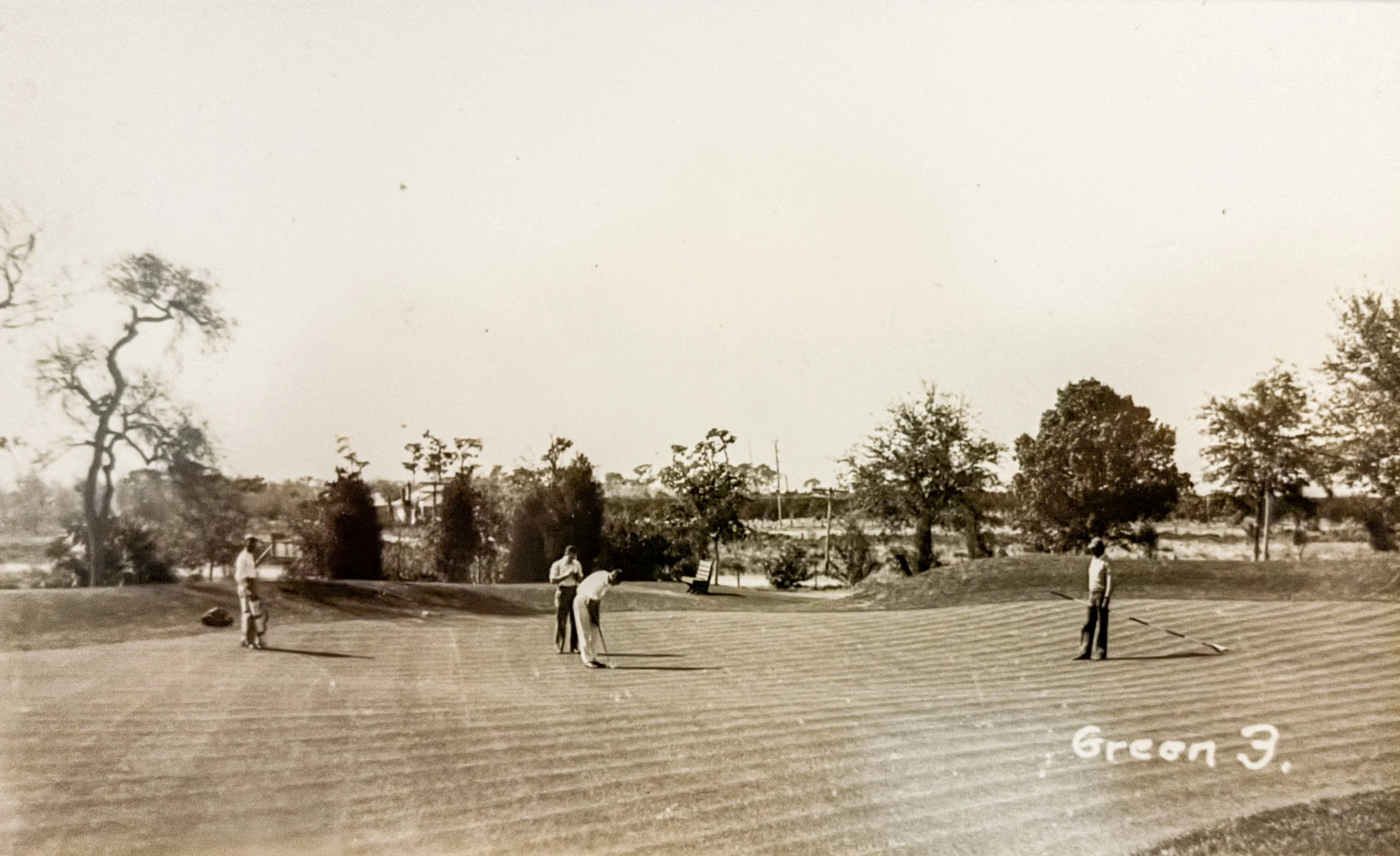
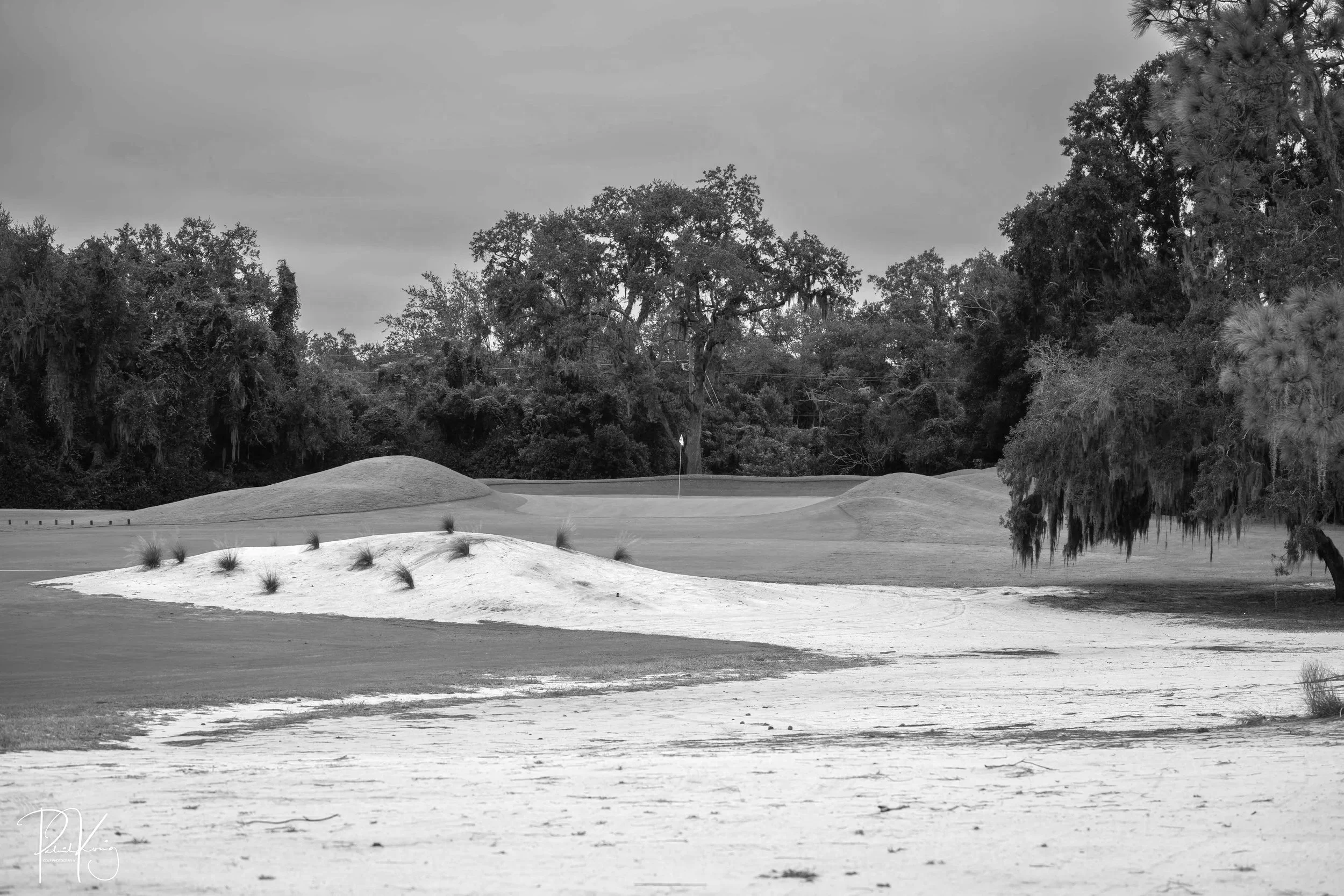
13th Hole - Road - Par 4 - 386 yards
The Road hole took me a little while to identify, but as soon as I spotted the swale across the front of the green and the Road Hole bunker, I knew we'd arrived. As the 1920s aerial imagery reveals, this pizza-slice green does an excellent job of staying true to its historical roots. More importantly, it leaves me hungry for a slice of pepperoni and a birdie.
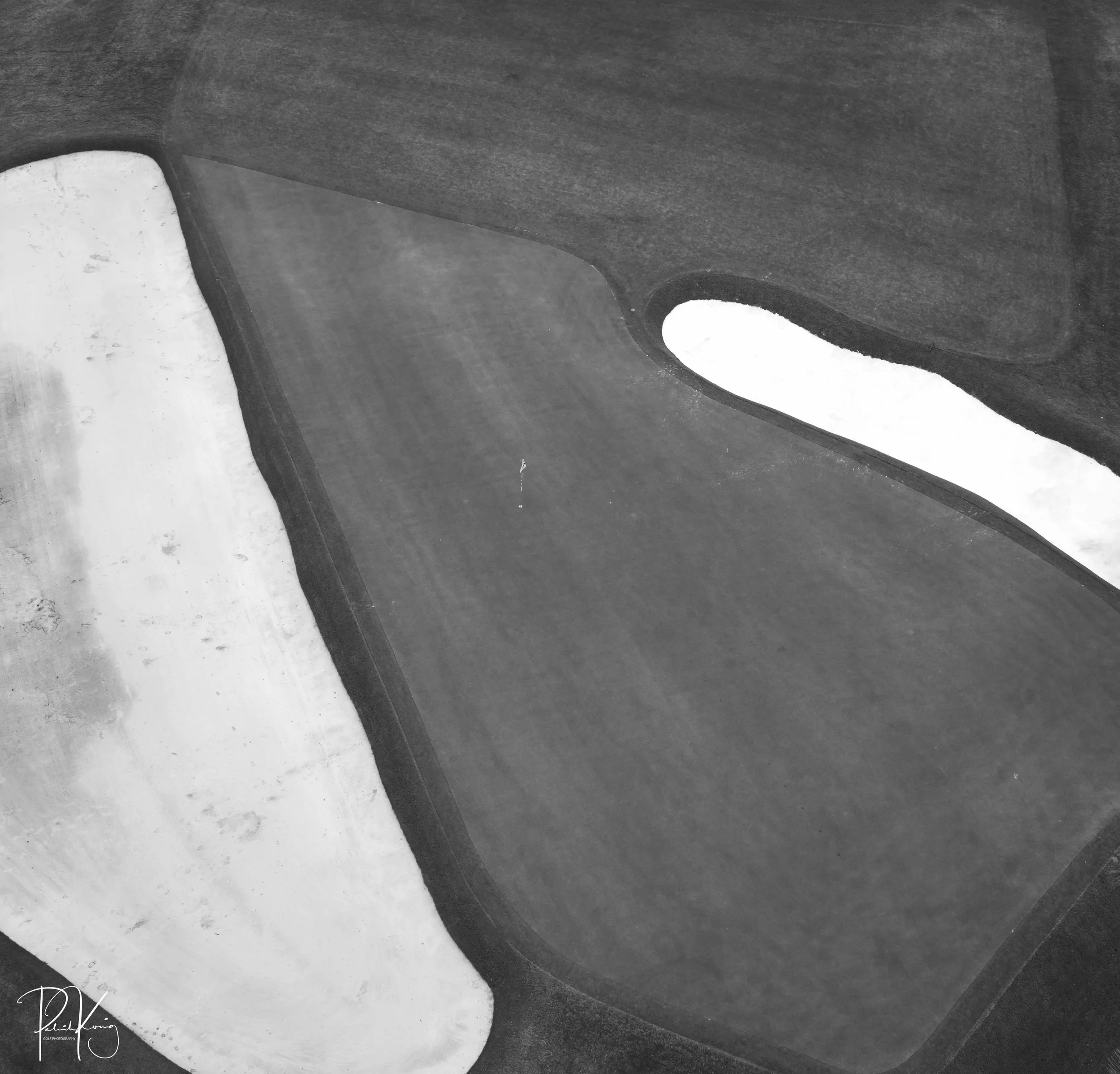
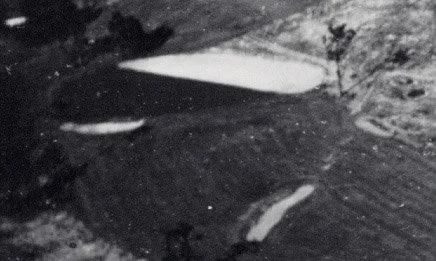
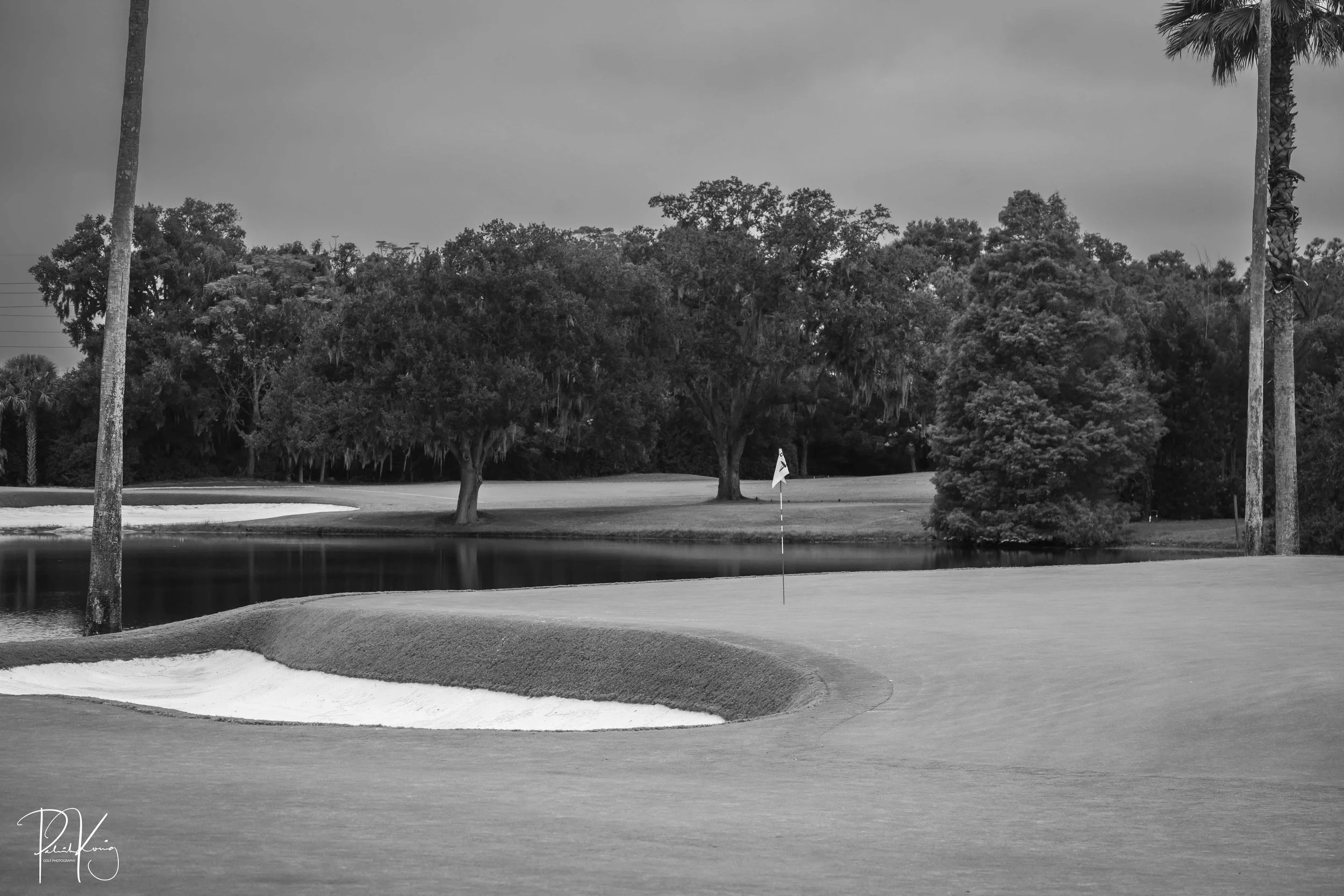
9th Hole - Short - Par 3 - 153 yards
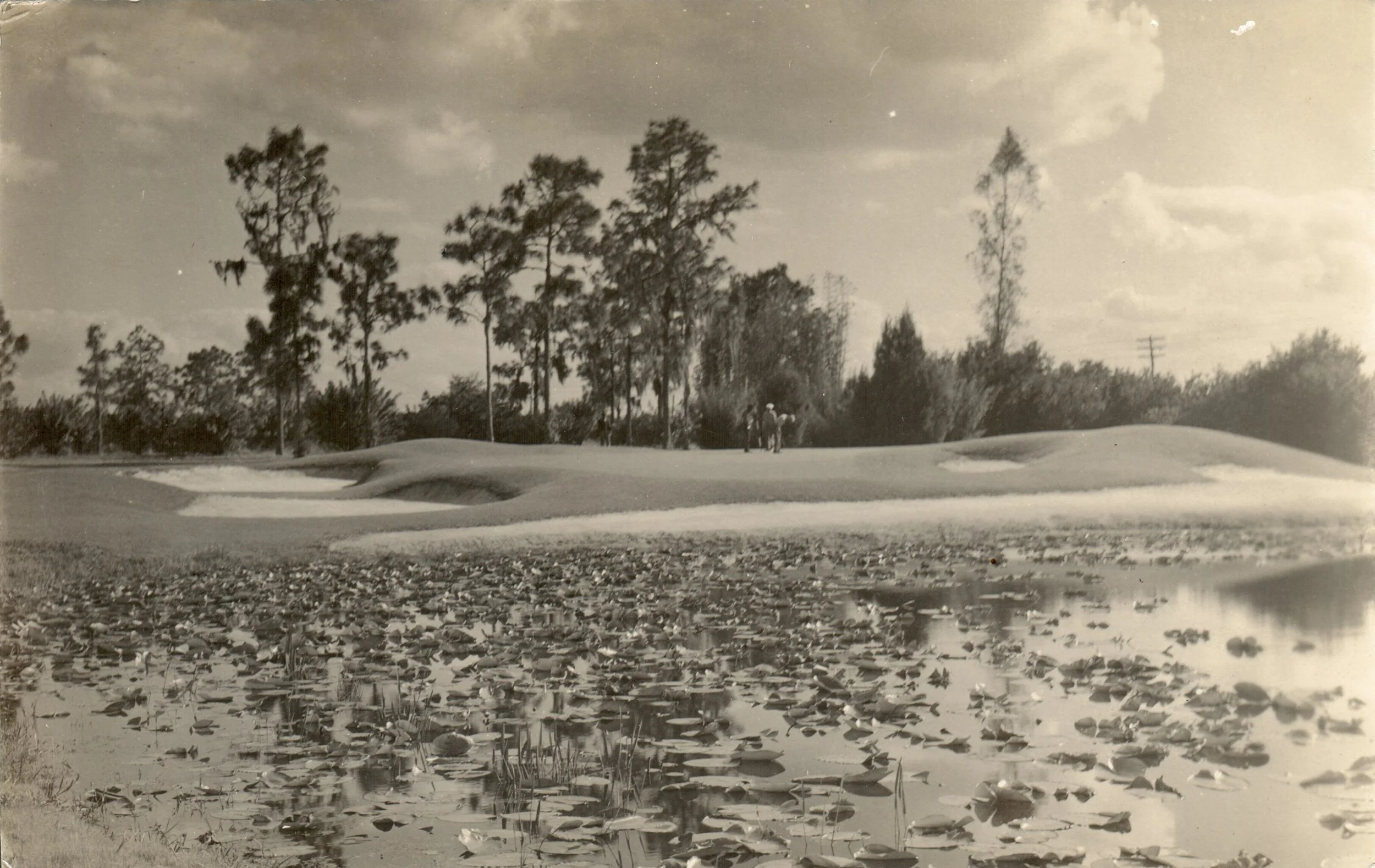
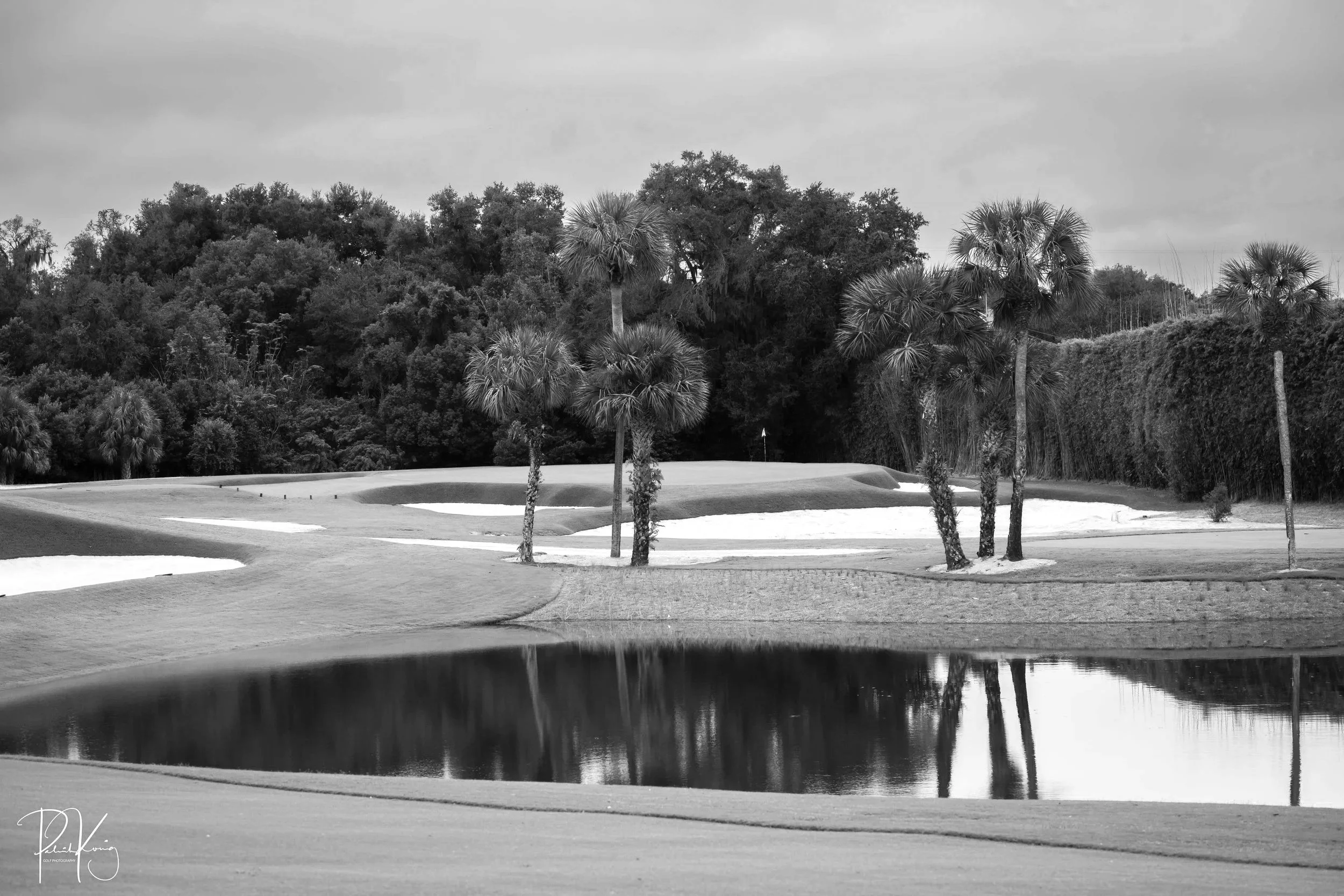
A handful of beach bunkers have been introduced at Mountain Lake, including a sandy waste area where a pond once sat in front of the 9th green. The transformation adds to the course's overall aesthetic and brings a healthy dose of ambiance. A similar beach bunker can be found on the 7th hole. Mountain Lake may be landlocked, but Rae has brought the beach to Central Florida.
18th Hole - Colony House - Par 4 - 424 yards
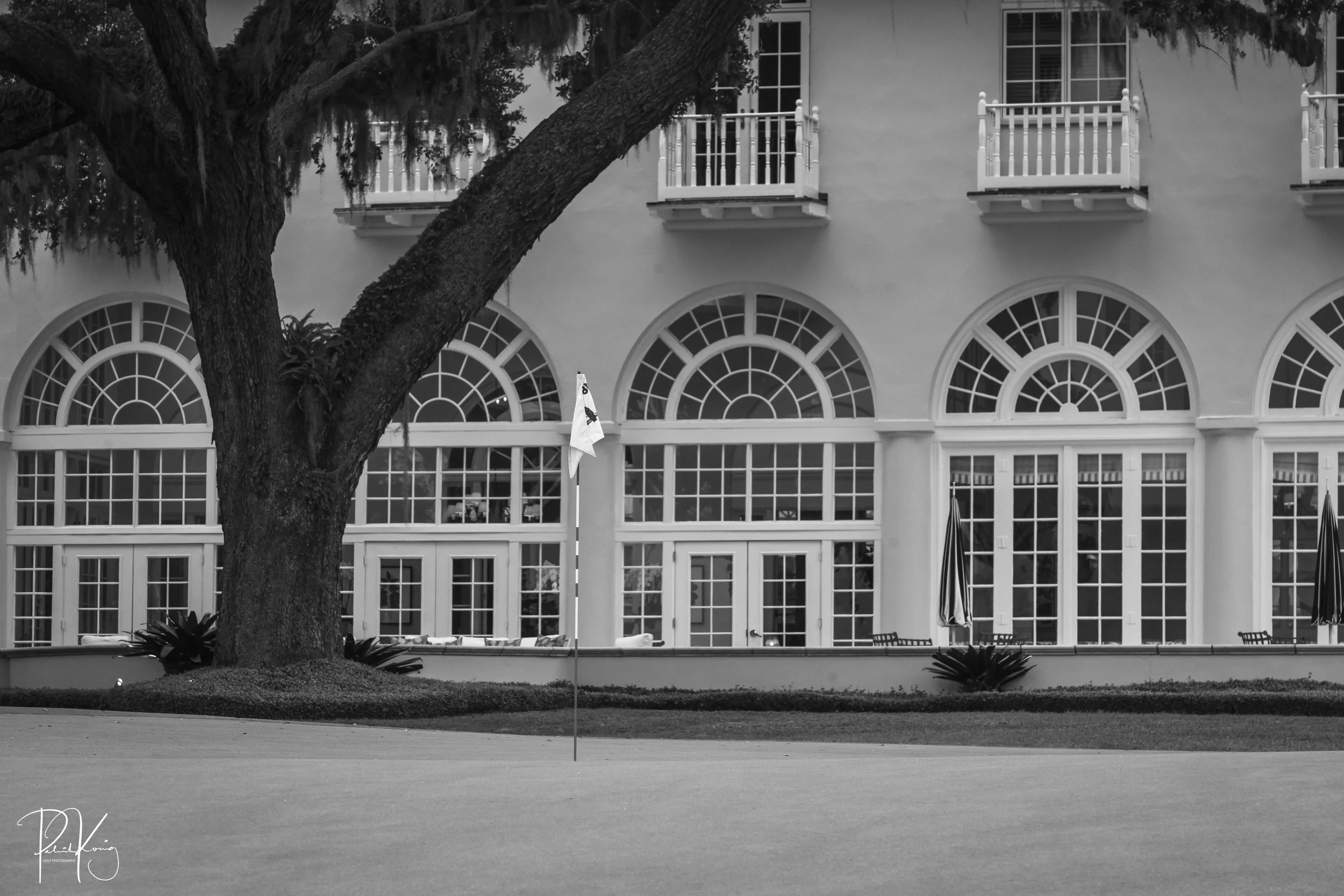
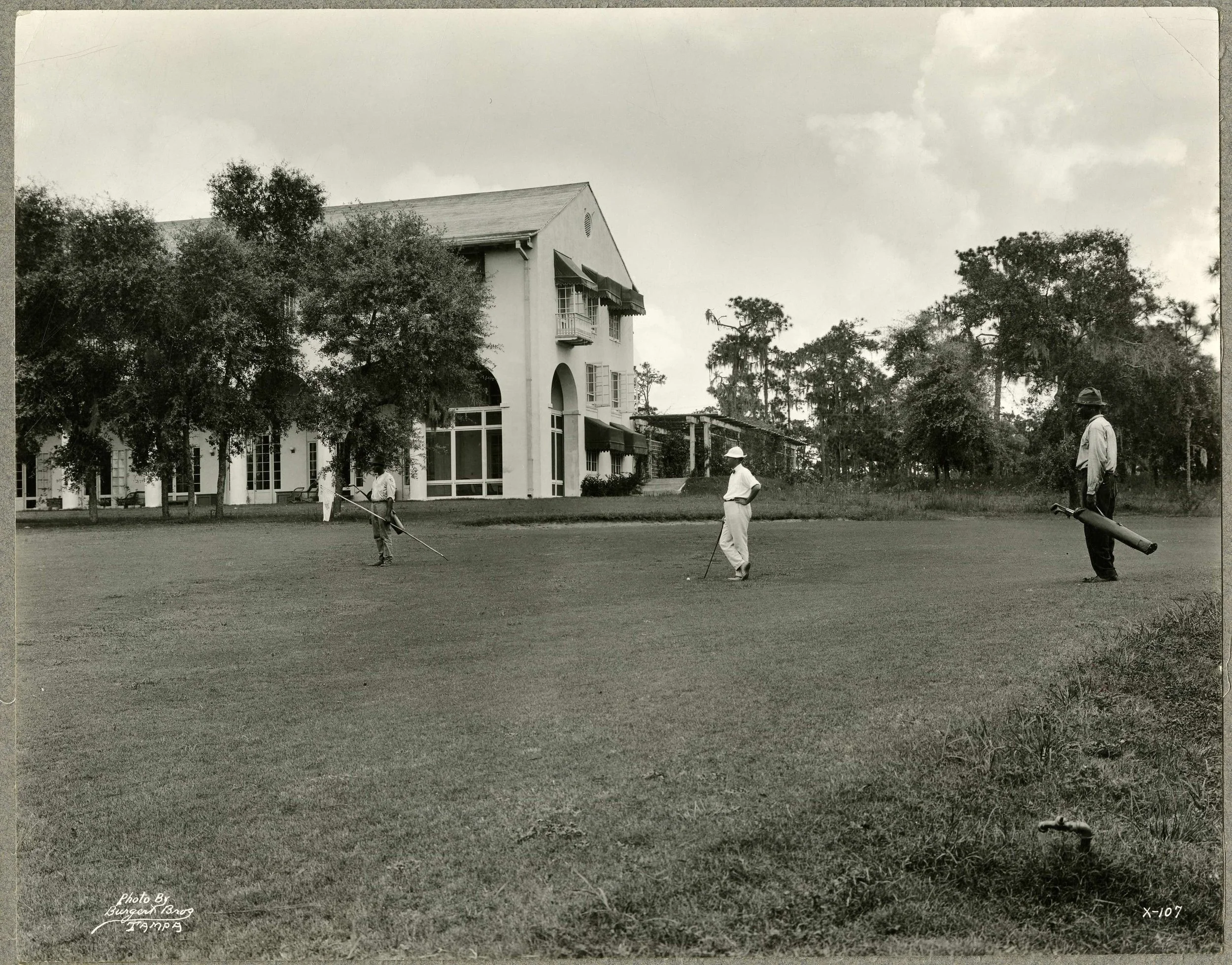
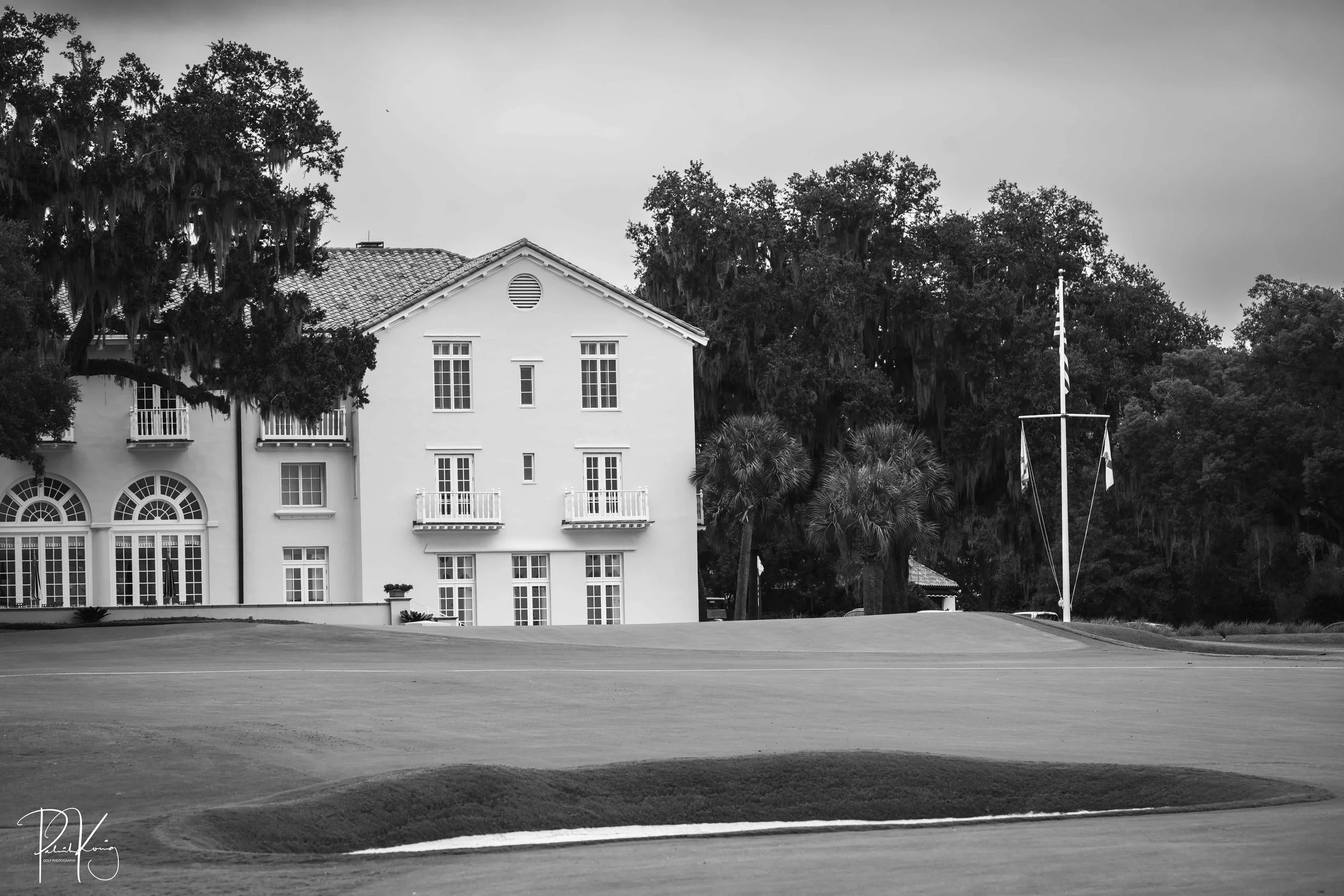
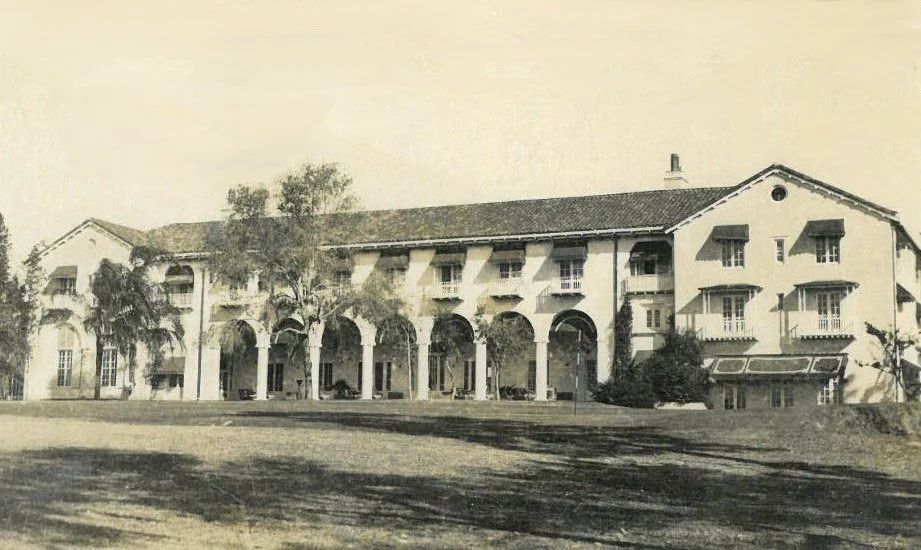
While most Raynor courses finish on the traditional home hole, Mountain Lake turns up the finesse by finishing at the Colony House. When Frederick Law Olmsted laid out the community in 1916, he positioned the Mediterranean Revival Colony House on a prominent hill overlooking the lake. Intentionally situated between the 1st and 18th holes, its outdoor terraces were designed to be intertwined with both the beginning and end of a round of golf.
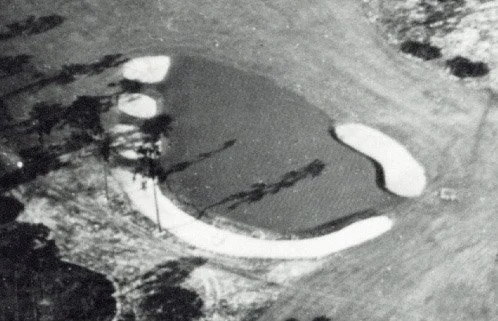
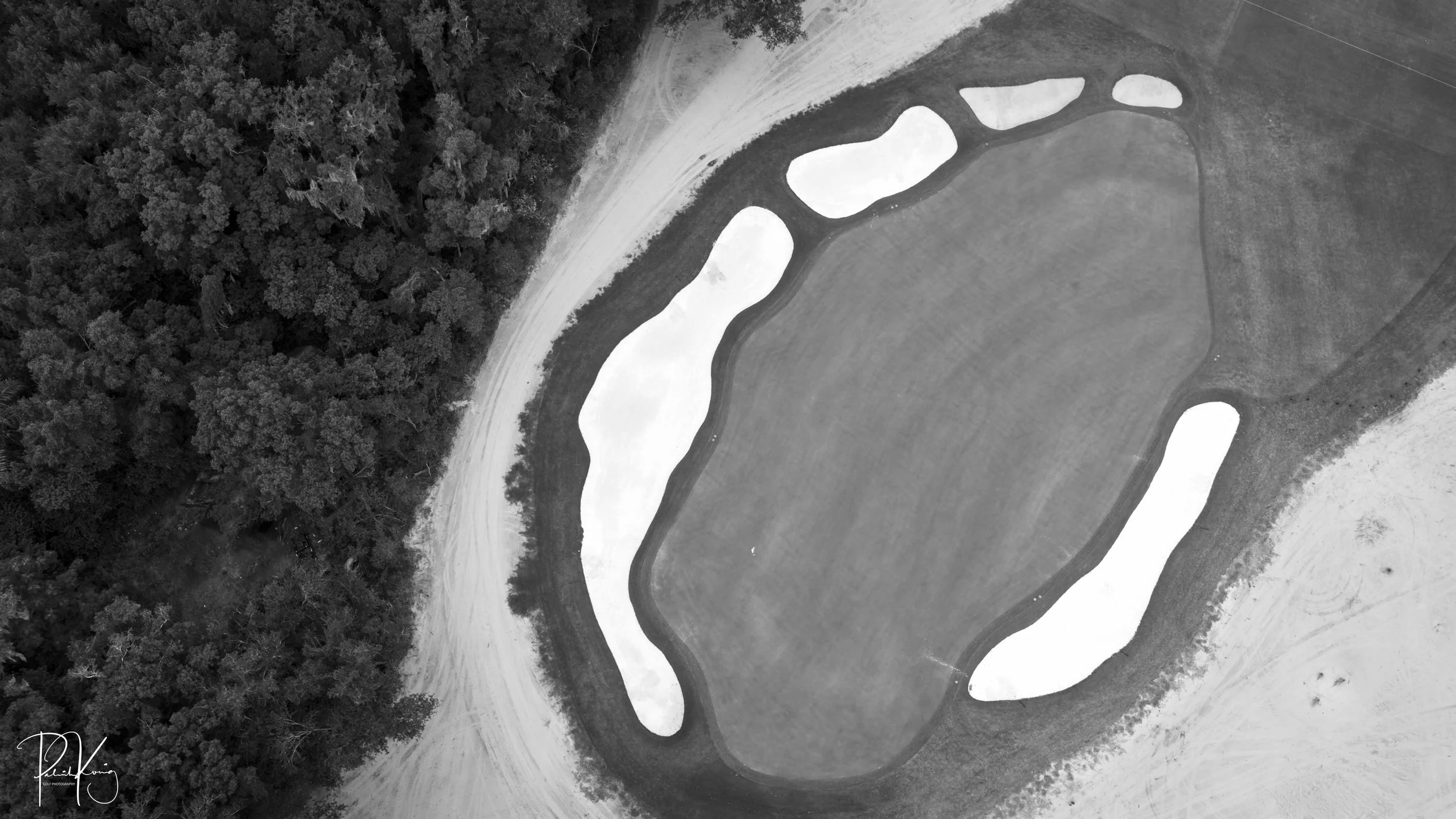
Tyler Rae has returned the 18th green to its original 1916 kidney shape, complete with an imposing false front and deep bunker on the right. Just as importantly, the precise angle and presentation Raynor envisioned, with Colony House serving as the backdrop, have been restored.
6th Hole - Sahara - Par 4 - 408 yards
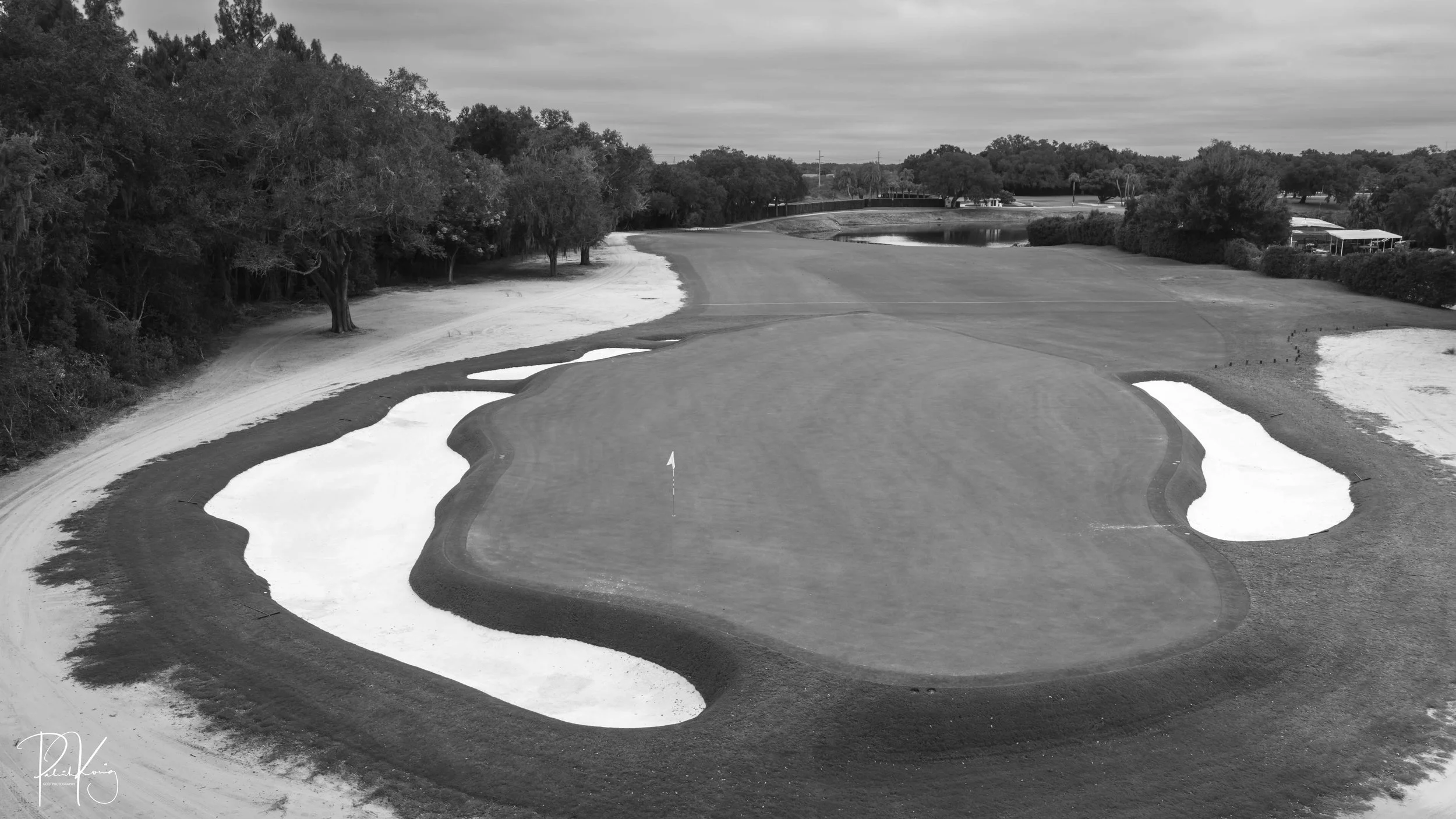
Not only did Tyler Rae restore the original, glorious greenside bunkering, but he also moved the entire 6th green 20 yards to the right. The relocation restores the original presentation and re-establishes the proper angle of attack for the approach. The once-heroic carry over the water hazard has largely lost its teeth in the modern game, but the strategic angles remain incredibly effective. The green is also a monster, measuring more than 10,000 square feet and making it the largest on the course. With so much putting surface to work with, pin position alone can make this a very different hole from one day to the next.
“Working on this project has been a rare privilege – reconnecting with Raynor’s original vision through every subtle contour and strategic decision.”
Tyler Rae's restoration of Mountain Lake is about as close as you can get to turning back the clock on a Golden Age golf course. Rae has gone well beyond cosmetic improvements, returning greens to their original locations, restoring lost templates, rebuilding strategic bunkering, and recapturing the architectural nuances that made Seth Raynor's design so special in the first place. More than a century after Raynor and Olmsted first created Mountain Lake, the golf course has been brought back to its origins. It's a project that respects the past while delivering a thoroughly engaging golf experience for the modern game.